
Let’s talk about the history of paving stones. Among all the construction materials that one can have in mind, one of the best known are undoubtedly paving stones. However, their history is not well known by everyone. Next, we will review the origins and the different applications that this material has known since then, whose name comes from the Arabic “ad-dukkân”, which means “squared stone”. In this way, there will be a much clearer notion of the value it has had in all types of constructions and it will be known why, after time, it is so well known by everyone.
Let’s learn a little more about the history of paving stones through the ages…
History of paving stones; the origin
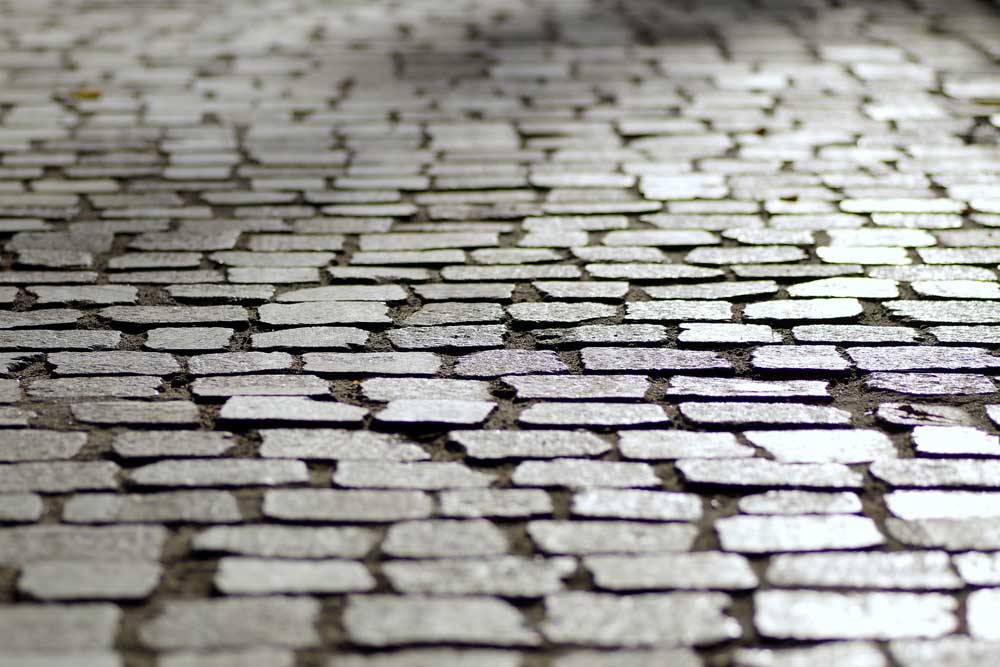
When seeing a paved floor, no one would think that in reality this paving technique is already more than 2000 years old. At that time, stones were used to form transit routes. In this way, it was possible to fix the safest and most direct routes between two points that, for example, had recurring commercial relations.
However, the stones used in the construction of these routes did not allow for rapid displacement, as they were not carved. Hence, they began to be worked and polished.
Those who began to use this method to improve the circulation of people and goods were the Romans and the Carthaginians. Not in vain both peoples are enormously reputed as builders of roads. Many of which, precisely thanks to the paving technique, still survive today.
From then on in the history of paving stones they began to be used simply as pavement. Throughout the 19th and 20th centuries, with the arrival of the Industrial Revolution, the appearance of the automobile and the rise of large metropolises, they played a great role in facilitating displacements of all kinds along the streets, squares and avenues.
Concrete paving stones
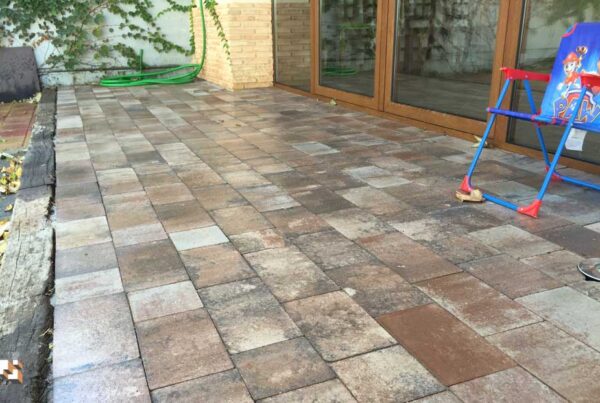
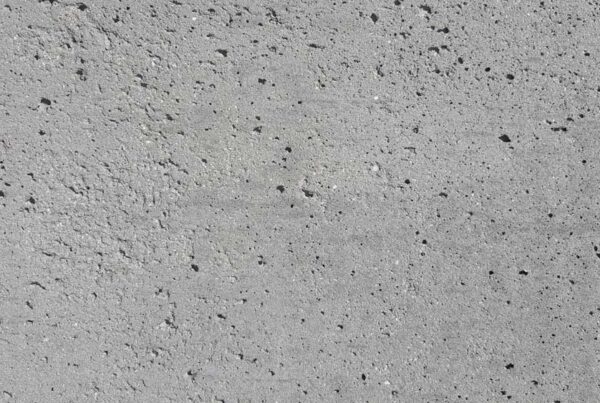
Currently, paving does not have to be made with polished stones. In many cases, concrete paving stones are used. The main advantage of these is their high resistance. These are perfectly joined pieces that also filter rainwater to the ground. With which, they are not affected by any type of filtration that may cause cracks. Due to this, their durability is very high.
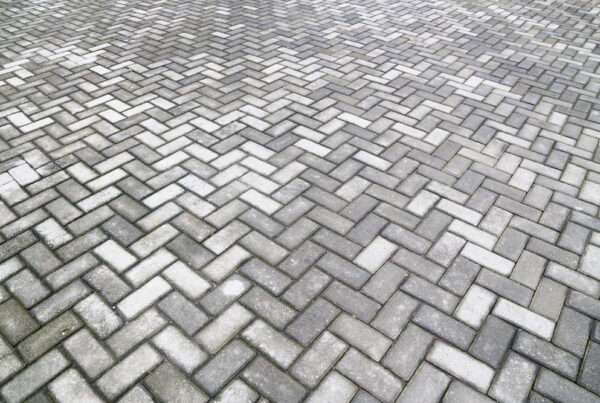
Another of its main virtues when using them in a construction, is that its location does not require heavy machinery or experts. It is a simple, cheap process. And, that, in addition, offers many combinatorial possibilities, being able to use different types of paving stones to draw different layouts.
Lastly, as these paving stones are small pieces produced in series, the repair of any damage is equally simple and economical. It is enough to replace one piece with another.
As for its production, it does not require any chemical agent. A large number of paving stones can be produced in a short space of time and be used the next day.
For all this, it is understood that these materials are counted, today, among the most used when paving a city. In contrast, outside of urban centers, to fulfill its original utility, that of paving roads, the most common is to use tar.
Decorative paving stones
During its construction process, it is possible to color them through the use of dyes, or engrave all kinds of motifs. Due to this they have become one more option when making the space you want to pave more aesthetic. At the same time, however, the use of different colors or engraved motifs helps to differentiate the routes drawn.
The paving stones for Albacete and Madrid, for example, present all these variants. If you need any of them, yes, do not forget to contact a trusted company specialized in paving stones like Cleannox.

Cleannox, adoquines de hormigón para pavimentos decorativos. Adoquines ecológicos con efecto fotocatalítico.